Expert Skylights Installation for Homes
Choosing the Right Rooflight: A Complete Purchaser's Guide
Picking the right rooflight requires careful evaluation of multiple factors. It is crucial to understand the various types available and how they align with a building's architecture. Additionally, considerations such as energy efficiency, ventilation, and aesthetic appeal play important roles in the decision-making process. As the options can be overwhelming, comprehending the specifics can lead to a more informed choice. What aspects should one focus on to ensure excellent results?
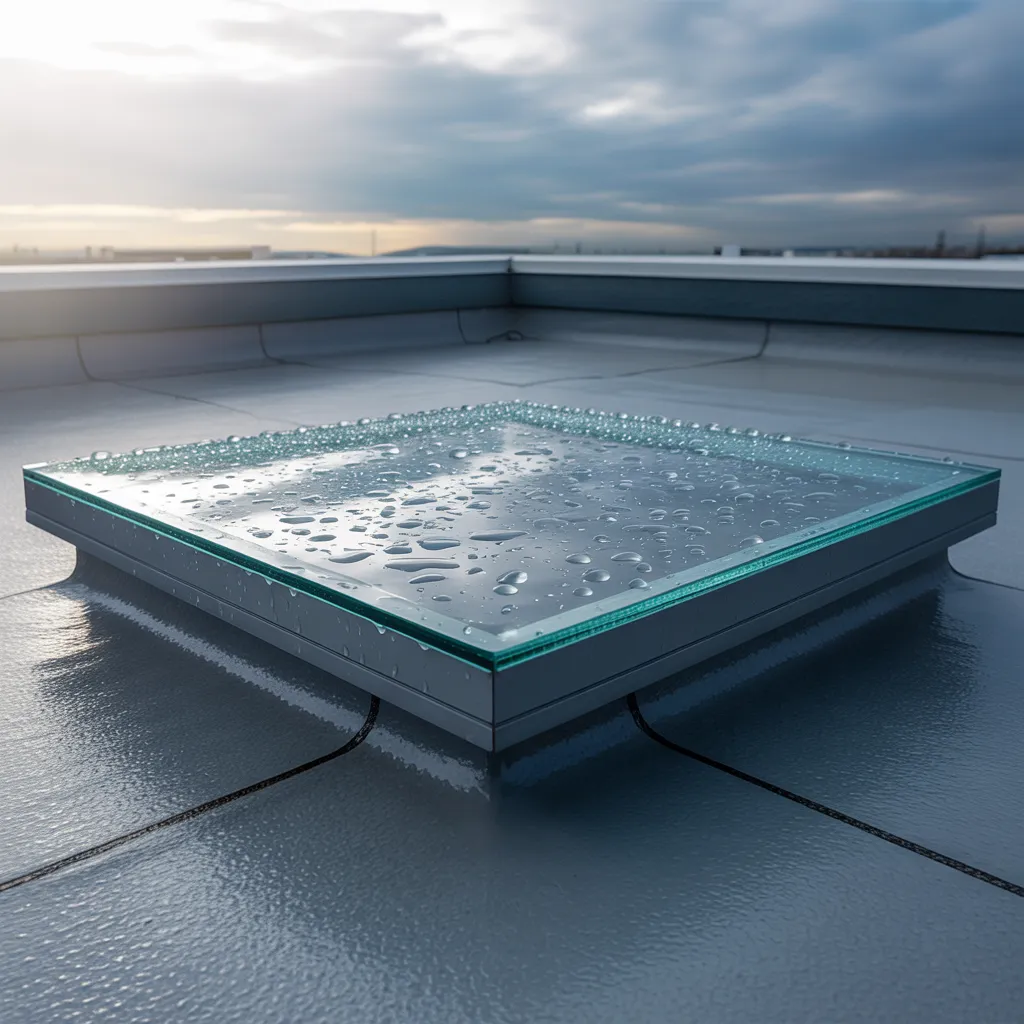
Understanding Several Types of Rooflights
When picking a rooflight, it is important to understand the different types available, as each design delivers distinct benefits and aesthetic qualities. Rooflights generally are divided into several categories, including fixed, vented, and tubular models. Fixed rooflights are created for maximum light entry, making them ideal for spaces needing natural illumination without ventilation. Vented rooflights, on the other hand, provide both light and airflow, facilitating improved indoor air quality and temperature regulation. Tubular rooflights provide a compact solution, channeling sunlight from the roof into interior spaces through reflective tubes, making them suitable for areas with limited access to direct light. Each type can be further customized with materials and finishes, enhancing both functionality and style. Understanding these differences enables homeowners and builders pick the most suitable option for their specific needs, providing maximum performance and visual appeal in their projects.

Essential Elements to Bear in Mind When Picking a Rooflight
Choosing the right rooflight involves several critical considerations that can substantially impact both functionality and aesthetics. First, the rooflight's size and design must align with the overall architecture of the building, providing a harmonious appearance. Next, the type of glazing used is crucial; options range from single to triple glazing, each offering varying degrees of durability and light transmission. Additionally, the rooflight's orientation plays a significant role in maximizing natural light while minimizing glare.
Moreover, the materials employed for the frame should be strong yet lightweight, offering longevity without compromising appearance. Installation complexity is another element; some rooflights require professional fitting, while others can be installed by skilled DIYers. Furthermore, local building regulations and planning permissions should be examined to ensure compliance. By considering these key elements, individuals can make informed decisions that enhance both the functionality and visual appeal of their spaces.
Energy-Saving Insulation Solutions
When assessing energy efficiency in rooflights, thermal performance ratings play an essential role in determining overall effectiveness. A comparison of glazing options can reveal notable differences in insulation capabilities, determining energy conservation. Additionally, proper installation and sealing techniques are critical to maximize the benefits of chosen materials and designs.
Thermal Efficiency Ratings
Understanding thermal performance ratings is crucial for those considering the installation of rooflights, as these ratings significantly affect energy efficiency and insulation. These ratings typically include U-values, which measure heat transfer; lower U-values demonstrate better insulation properties. Moreover, solar heat gain coefficients (SHGC) are critical, as they quantify how much solar radiation is permitted through the rooflight, impacting indoor temperatures. A high SHGC may be beneficial in colder climates, while a lower value is preferable in warmer regions. Moreover, thermal transmittance and air leakage ratings add to overall energy performance. Buyers should emphasize rooflights that not only meet their aesthetic preferences but also demonstrate superior thermal performance to ensure long-term energy savings and comfort within the space.
Comparison of Glazing Options
When property owners consider different glazing options for rooflights, they need to evaluate how each type contributes to energy efficiency and insulation. Popular options include single, double, and triple glazing. Single glazing provides minimal insulation, making it inefficient for energy conservation. On the other hand, double glazing contains two panes of glass with an insulating air gap, considerably improving thermal performance. Triple glazing further enhances insulation by adding another layer, well-suited for colder climates. Homeowners should also examine specialized coatings, such as Low-E glass, which reduces heat loss while allowing natural light. Moreover, some glazing options incorporate gas fills, like argon or krypton, between panes to improve thermal resistance. Consequently, the right choice will depend on specific energy efficiency goals and climate considerations.
Techniques for Installation and Sealing
Picking the right glazing for rooflights is only one aspect of achieving energy efficiency; installation and sealing techniques play a significant role as well. Proper installation guarantees that the rooflight fits securely within the designated opening, reducing gaps that could lead to heat loss. Sealants and flashing should be applied accurately to stop air and water infiltration. Choosing high-quality, weather-resistant materials is vital for long-term performance. Insulation around the rooflight frame can moreover enhance energy efficiency by reducing thermal bridging. Additionally, employing techniques such as double or triple glazing can substantially improve insulation properties. Ultimately, meticulous attention to installation and sealing will maximize the energy efficiency of rooflights, leading to a comfortable indoor environment and reduced energy costs.
Ventilation Features and Benefits
Whilst many house owners emphasize natural light when deciding on a rooflight, ventilation features serve a crucial function in boosting indoor air quality and managing temperature. Rooflights that include ventilation options can significantly improve airflow, helping to reduce humidity levels and prevent condensation. Proper ventilation also assists with the elimination of stale air, odors, and pollutants, leading to a healthier living environment.
Moreover, adding operable rooflights enables homeowners to manage airflow by manipulating the units as desired. This flexibility can be remarkably valuable in zones like kitchens and bathrooms, where moisture is frequently an issue. Additionally, energy efficiency can be enhanced through efficient ventilation, as it lessens the need on mechanical cooling systems. Overall, picking a rooflight with integrated ventilation features not only boosts comfort but also cultivates a more sustainable and comfortable home atmosphere, making it a critical consideration in the buying process.
Aesthetic Design Styles and Considerations
The decorative quality of a rooflight greatly influences its selection, incorporating numerous design styles and trends. Modern design trends typically prioritize clean lines and minimalism, while conventional rooflight styles might incorporate decorative detailing. Moreover, choices in color and materials can further enhance the total visual impact, providing customization that matches the surrounding architecture.
Today's Design Directions
As contemporary architecture evolves, modern design trends increasingly prioritize the integration of natural light and open spaces, making rooflights a vital element in aesthetic considerations. Designers favor sleek, minimalist lines and large, unobstructed glass panels that boost the feeling of spaciousness. These rooflights often incorporate innovative framing materials, such as aluminum or wood, complementing a variety of architectural styles. Additionally, energy efficiency serves as a key factor, with advancements in glazing technology allowing for better thermal performance without sacrificing visual appeal. The trend towards biophilic design further promotes the use of rooflights to connect indoor spaces with the outdoors, fostering a sense of well-being. Ultimately, modern rooflight designs elevate both functionality and beauty in contemporary homes.
Heritage Rooflight Designs
Multiple traditional rooflight styles demonstrate the rich architectural heritage of multiple periods, with each contributing distinct aesthetic value to homes. From the elegant Victorian lanterns that often beautify period properties to the classic skylights characteristic of Georgian architecture, these designs enhance both the functionality and beauty of living spaces. The ornate detailing of Edwardian rooflights, with their decorative glass elements, showcases craftsmanship and attention to detail. In addition, the simplicity of traditional cottage-style rooflights enhances rustic homes, creating a harmonious blend with nature. Each style not only serves to illuminate interiors but also adds character, improving the exterior façade and overall appeal of a property. Homeowners must consider these diverse styles when selecting the right rooflight to match their home's architectural essence.
Color and Material Options
When choosing rooflights, property owners need to thoughtfully evaluate color and material choices, as these components significantly impact both design aesthetics and overall design harmony. The material of the rooflight serves a crucial role in longevity and upkeep; alternatives such as aluminum, wood, or PVC each offer unique characteristics. For example, aluminum is often preferred for its modern look and durability, while wood provides a classic aesthetic.
Color choices should complement the existing architecture and interior design. Neutral tones can blend seamlessly, while bold colors can serve as statement pieces. Property owners should consider how different materials and colors interact with natural light, ensuring that their selections enhance the total mood of the space. In the end, deliberate decisions can alter a room's atmosphere.
Installation Process and Professional Help
How might homeowners secure a trouble-free installation of their new rooflight? The key lies in securing the assistance of qualified professionals. Experienced installers have the expertise to navigate the complexities of roof structures and ascertain compliance with local building regulations. They will undertake a complete assessment of the roof's condition before proceeding, detecting any underlying issues that could complicate the installation process.
Property owners ought to consider getting multiple quotes to contrast rates and available services. It is vital to check the certifications and reviews of potential contractors to guarantee a trustworthy choice. Moreover, talking about project timelines and warranties upfront can avert misunderstandings later.
After a professional is hired, clear communication about the homeowner's expectations will further enhance the installation procedure. Eventually, investing in professional services not only guarantees quality workmanship but also supports the rooflight's long-term performance and aesthetic appeal.
Upkeep Recommendations for Durability and Peak Performance
To ensure the longevity and ideal performance of a rooflight, regular maintenance is vital. Homeowners should begin by examining the rooflight routinely for any evidence of damage, such as cracks or leaks in the glazing. Wiping the glass and frame with a soft cloth and mild detergent can stop grime buildup, which may hinder natural light. Furthermore, checking the seals and flashing for wear is vital, as deteriorated seals can lead to water ingress.
It is also advisable to clear away any accumulated matter, such as foliage or twigs, that may collect around the rooflight, maintaining proper drainage. In climates with intense weather, supplementary precautions, such as utilizing protective coatings or films, can increase durability. Finally, engaging a professional for an annual inspection can help identify potential issues before they escalate, making certain the rooflight remains operative and attractive for years to come.
Questions & Answers
What's the Average Life Expectancy of a Rooflight?
The average lifespan of a rooflight generally ranges from 10 to 30 years, relying on factors such as the materials utilized, quality of installation, and surrounding environmental conditions. Consistent maintenance can help extend its functional life considerably.
Can Rooflights Be Fitted to Any Kind of Roof?
Rooflights are suitable for installation on multiple roof types, including pitched, flat, and vaulted roofs. Nevertheless, compatibility copyrights on specific installation requirements and the roofing materials used, demanding careful helpful guide consideration by contractors and homeowners equally.
Are There Specific Building Regulations for Rooflights?
Specific building regulations for rooflights do exist and vary depending on location. These requirements frequently address factors like energy efficiency, structural integrity, and safety standards, confirming that installations follow local codes and elevate overall building performance.
How Do Rooflights Affect Home Insurance Premiums?
Rooflights can influence home insurance premiums, as they may enhance property value and aesthetics. Insurance providers usually examine the potential for leaks or damage, which might cause higher premiums depending on the skylight's quality and fitting.
What Are Typical Materials Used for Rooflight Frames?
Common materials employed for rooflight frames include aluminum, which is both lightweight and long-lasting; uPVC, recognized for its insulation properties; and timber, prized for its aesthetic appeal. Each material delivers specific advantages depending on the desired application.